Maternal wellness plays a big role in a baby’s health long before birth. A mother’s nutrition, emoti
read moreMany parents and caregivers remember their baby’s first cold or fever: the sleepless nights, the worry, and the endless checking of tiny breaths. RSV often starts out looking like a common cold, with symptoms such as coughing, runny nose, and fever. In most children, RSV is mild and clears up with rest. But for some babies, especially those under six months or with existing health conditions, RSV can lead to bronchiolitis, severe respiratory distress, and even hospitalization.
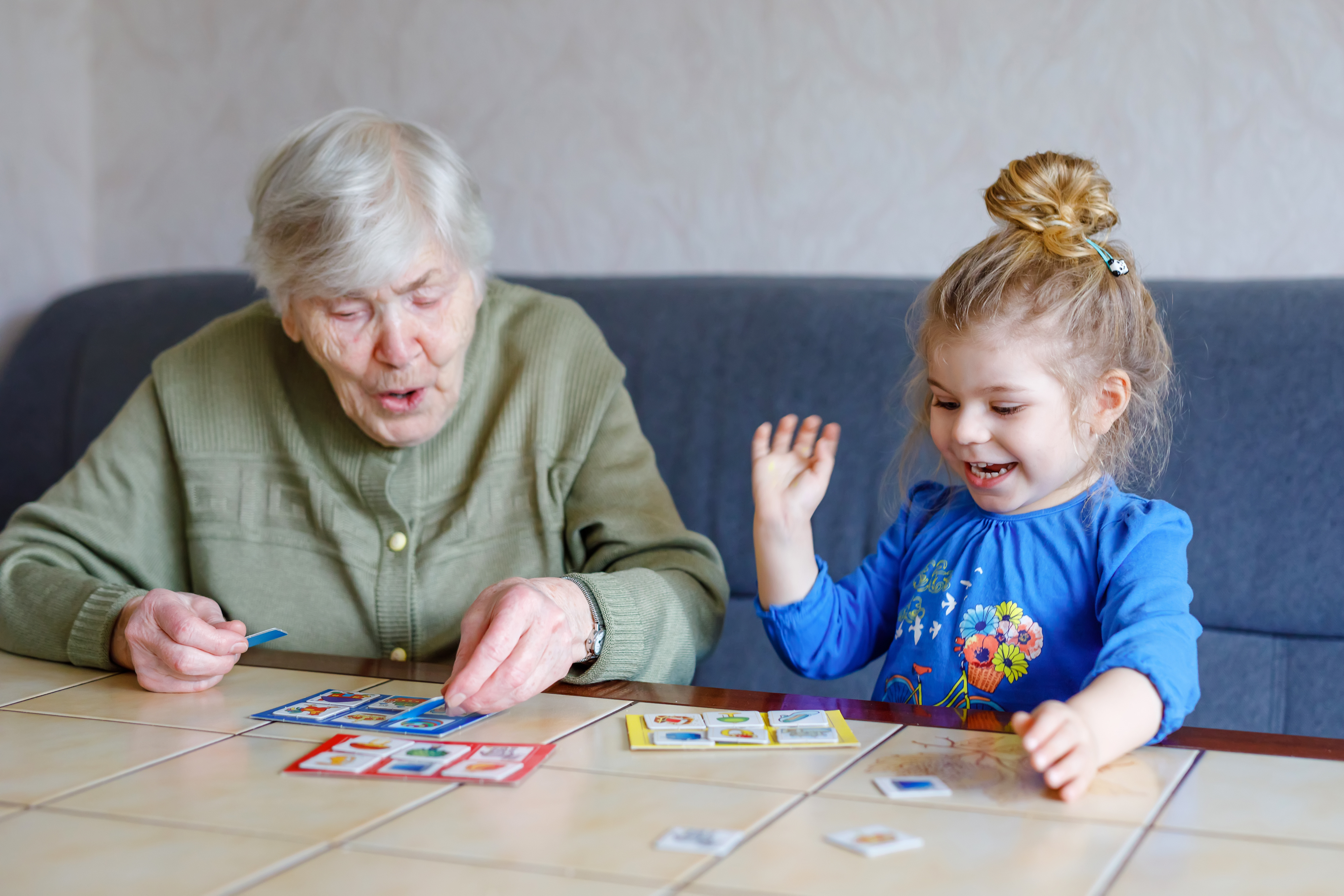
read moreAs Canada’s population continues to age and family dynamics evolve, the need to strengthen intergenerational relationships will only grow. Intergenerational programming offers a powerful path forward—one that fosters solidarity, builds empathy, and enhances social cohesion. From my perspective as a social work student, this work is not only relevant; it is essential. Families Canada continues to lead by example through community-based initiatives, research, and partnerships that place inclusion and connection at the center.
read moreIntergenerational relationships have been commonplace for most of human history, in this blog, we look at how those relationships have evolved over the years, with Western society moving away from the Intergenerational Family model.
read moreSince 2021, Andrew Fleck and a group of national partners have been building from the ground up an Intergenerational program, in the hopes of transforming how we view and treat both young children and older adults.
read moreFamilies Canada is pleased to have completed our “Supported Parents, Supportive Parenting” project a
read more