
 14 Oct 2026
What is RSV and How Can We Prevent It?
This week, Families Canada is helping families learn more about respiratory syncytial virus, commonly known as RSV, and the steps we can take to help reduce its spread.
You may have heard of RSV, particularly during peak respiratory illness season, but how much do you know about it? How does it spread? And what can families do to help protect themselves and the people they care about?
Why RSV awareness matters
For most healthy adults and older children, RSV causes mild, cold-like symptoms that typically resolve on their own. However, babies, older adults, and people who are more vulnerable to respiratory illness are at a greater risk of experiencing serious complications from RSV.
Understanding what RSV is and how to prevent its spread can help protect loved ones who are at a higher risk of developing severe complications.
What is RSV?
Dr. Paul Roumeliotis is a pediatrician, Medical Officer of Health, and Chief Executive Officer of the Eastern Ontario Health Unit. Families Canada is proud to have Dr. Paul as the Chair of our Board of Directors.
In this interview, Dr. Paul discusses how RSV differs from the common cold, the potential complications and long-term effects of a severe RSV infection, how RSV is diagnosed, and more.
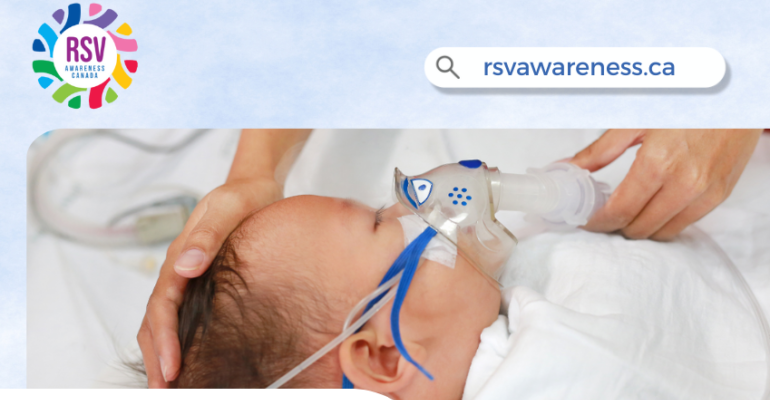
RSV, or respiratory syncytial virus, is a virus that can initially cause symptoms that mimic those of the common cold but may spread to the lungs and lead to serious complications. RSV can cause bronchiolitis, an infection of small bronchioles in the lungs. This can make it difficult for babies to breathe and feed. The common cold does not cause these severe symptoms.
Watch the first interview to hear Dr. Paul share his expertise on RSV.
Who is most at risk?
Did you know? By age two, nearly all children have had RSV. In Canada, approximately 2% of all infants are hospitalized with RSV in their first year of life.
RSV poses a particularly high risk to babies under six months old. Older adults, especially those with pre-existing health conditions, are also at increased risk of RSV-related hospitalization and death. Older adults in long-term care and retirement homes also tend to have longer hospital stays due to RSV compared to the general population.
How does it spread?
RSV spreads easily through coughing, sneezing, and close contact, such as shaking hands, kissing, or sharing utensils. It can also spread through contact with people experiencing cold-like symptoms or by touching contaminated surfaces.
However, awareness alone is not enough to prevent RSV. Taking preventative measures that work for your family's circumstances is key to reducing its spread and impact.
How can we help prevent RSV?
What can families do to help prevent RSV? In our second conversation, Dr. Paul discusses practical steps individuals and families can take to reduce the spread of RSV and protect themselves and others.
Did you know? Exposure to secondhand smoke can make babies more vulnerable to colds and other respiratory illnesses.
Watch this conversation to learn about:
- New immunization options that may be right for you and your family
- How to prevent RSV, particularly in babies and during pregnancy
- The importance of choice and autonomy when making health care decisions for yourself and your children
Important Facts about RSV Protection:
Peak RSV season is typically from November to April.
The National Advisory Committee on Immunization (NACI) recommends universal RSV immunization programs to protect infants, using seasonal administration.
During pregnancy
- NACI recommends that RSVpreF can be given from 28 and 36 weeks gestation, the maternal vaccine RSVpreF may be offered if your baby is expected to be born during RSV season, in accordance with NACI recommendations and provincial guidance.
- RSVpreF is not routinely offered year-round for babies to be born outside of RSV season.
For children
- If your baby is born during RSV season, a one-time dose of Nirsevimab or Clesrovimab may be offered at birth. These immunizations provide immediate protection against severe RSV illness for approximately 5-6 months.
- If your baby is born outside of RSV season (typically April to October), Nirsevimab or Clesrovimab may be an option as they enter their first RSV season.
- Infants and young children who meet certain eligibility criteria and remain at higher risk of severe RSV illness may also be eligible for nirsevimab during their second RSV season. Clesrovimab is not currently authorized in Canada for use during a child's second RSV season.
Always remember:
Speak with your healthcare provider about which RSV prevention options are appropriate for you and your family. You can also contact your provincial or local public health authority to learn more about available immunizations and which options may be publicly funded in your area.
Awareness starts with a conversation. Watch, learn and share these interviews with your family, friends, and community to help more people understand RSV and how they can help prevent it. You can find more RSV resources at rsvawareness.ca.
Supported by an unrestricted educational grant from Sanofi.
Recent Posts


Families Canada